Many of us, when choosing a pot for a houseplant, follow the “just in case” rule — thinking that if the plant grows, it will already have enough space for its roots. It seems logical: more space means more freedom, more soil means more nutrients. But in the plant world, things don’t work that simply. The size of the pot is not just a design choice or a matter of future growth — it is a critical factor that directly affects moisture balance, root health, and the overall well-being of the plant.
A pot that is too large for a small plant can lead to root rot, water stagnation, oxygen deficiency, and even plant death. Meanwhile, a correctly sized pot allows the plant to develop harmoniously, without stress. This applies both to indoor plants and to seedlings grown in large containers on balconies, terraces, or in offices.
In this article, we’ll explore when a “pot with room to grow” actually causes harm, why plants don’t need excess space, how to choose the optimal pot size, and how to avoid common mistakes that happen daily in many homes.
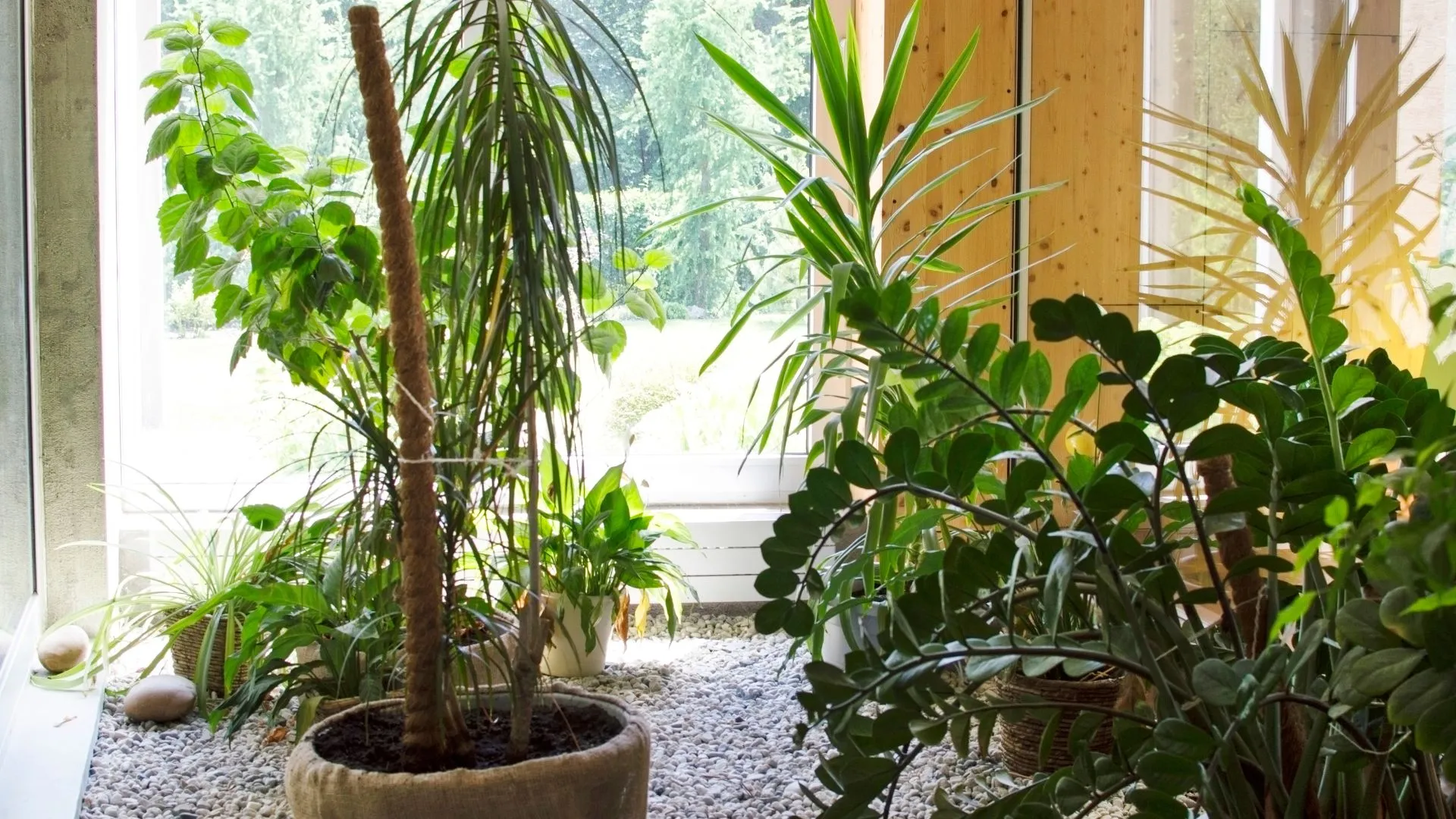
What Is a “Pot with Extra Space” and Why Do People Choose It?
A “pot with extra space” means planting a small or young plant directly into a large container, expecting it to grow into it over time. The motivation is understandable: fewer repottings, more room for roots, and supposedly better growing conditions. However, this is one of the most common mistakes beginners make.
Why people do this:
It feels convenient — no need to repot again soon.
Logical thinking: “More space = better growth.”
Lack of understanding of plant physiology.
Sellers often recommend larger pots for commercial reasons.
In reality, when a plant is placed into a pot that is much larger than its root system, it experiences stress. Large areas of soil stay wet for too long, and excess moisture becomes the plant’s biggest enemy. Instead of growing leaves or flowers, the plant spends energy trying to fill the empty space with roots — often unsuccessfully.
The Psychology Behind Choosing a Bigger Pot
We often project human logic onto plants. It feels natural to think that, just like people, plants would prefer a “spacious home.” But plants don’t work that way. In nature, they grow gradually, adapting to their environment step by step. When we suddenly give them too much space, they struggle to regulate themselves.
Aesthetic preferences also play a role. Large decorative pots look beautiful in interiors, so people often place small plants into oversized designer containers. Unfortunately, this often creates ideal conditions for root rot rather than healthy growth.
Another factor is fear of repotting. Many people see repotting as stressful or complicated, when in fact gradual repotting into slightly larger containers is the healthiest approach for most plants.
How Root Systems Actually Work
To understand why oversized pots are problematic, it helps to understand how roots function:
Roots grow gradually and “search” for water and nutrients.
When they don’t encounter boundaries, they grow chaotically instead of forming a dense, efficient system.
In large pots, roots spread unevenly and absorb water and nutrients less effectively.
Roots also need oxygen — and waterlogged soil deprives them of it.
As a result, the plant wastes energy trying to stabilize itself instead of growing leaves, flowers, or new shoots.
What Goes Wrong in an Oversized Pot
Here are the most common issues caused by pots that are too large:
Water stagnation in the lower soil layers
Root rot caused by constant moisture
Mold forming on the soil surface
Fungus gnats attracted to damp soil
Slow or stalled growth
Temperature instability in the soil
Difficulty controlling watering evenly
The plant often looks weak, droopy, or “unhappy,” with slowed growth or leaf loss.
Root Rot and Excess Moisture
The most dangerous consequence of an oversized pot is root rot. When watering, moisture should either be absorbed by roots or evaporate. In a large container, the top layer may dry out while the bottom remains wet for weeks — especially without proper drainage.
Plants particularly sensitive to this include:
African violets
Succulents
Orchids
Dracaena
Yucca
When roots sit in wet soil too long, they lose access to oxygen, begin to decay, and stop functioning. The plant may look thirsty even though the soil is wet, leading to even more overwatering — a vicious cycle.
Signs of root rot include:
Unpleasant smell from the soil
Brown or black roots
Wilting leaves despite moisture
Growth stagnation
Large pots require advanced watering techniques, such as controlled moisture or partial watering — something beginners often struggle with.
Poor Air Circulation in Large Soil Volumes
Roots don’t just absorb water — they also breathe. In oversized pots, especially without good drainage, oxygen circulation decreases dramatically. This leads to anaerobic conditions where harmful bacteria thrive.
Consequences include:
Soil compaction
Build-up of toxic compounds
Root suffocation
Overall plant decline
Even high-quality soil can become dense and airless in a large container. Water may run down the sides without reaching the roots, leaving them both dry and oxygen-starved.
Slow Growth in an Oversized Pot
It may sound counterintuitive, but more space often means slower growth. Instead of producing leaves or flowers, the plant focuses on filling the empty pot with roots — a process that can take months.
This is especially noticeable in slow-growing plants like ficus, snake plants, and zamioculcas. They may appear “stuck” for a long time until their root system finally adapts.
Think of it like giving a cat a three-bedroom apartment — it will spend all its energy exploring instead of relaxing.
Temperature Instability in Large Pots
Large volumes of soil heat up and cool down slowly. In climates like Ukraine’s, where temperatures fluctuate significantly, this becomes a problem:
Soil near windows can get very cold in winter.
Large pots take longer to warm up.
Roots experience temperature stress even when room air feels comfortable.
Cold soil can slow growth, cause leaf drop, and increase susceptibility to disease.
When Good Intentions Harm
Most plant owners genuinely want to do the right thing. They buy beautiful pots, water regularly, and care deeply — yet the plant declines. Often, the problem is simply too much space, too soon.
Plants need proportional care. Just like children, they thrive when their environment matches their developmental stage. A properly sized pot supports healthy growth without overwhelming the plant.
How to Choose the Right Pot Size
A simple and reliable rule:
Choose a pot that is 2–4 cm (1–1.5 inches) wider than the previous one.
Examples:
From a 10 cm pot → move to 12–14 cm
From 15 cm → move to 17–19 cm
This approach:
Maintains moisture balance
Prevents root rot
Reduces stress
Encourages steady growth
Also consider depth:
Shallow, wide pots → for shallow-rooted plants (succulents, violets)
Deeper pots → for plants with long roots (palms, dracaena, ficus)
A simple test: remove the plant from its pot. If roots fill most of the soil volume, it’s ready for a larger pot.
When a Larger Pot Is Appropriate
There are exceptions where a larger container makes sense:
Fast-growing plants during active growth phases
Plants with large leaf mass
Outdoor or balcony plants exposed to sun and wind
Group plantings with similar water needs
Even then, proper drainage and soil quality are essential.
Avoid large pots if:
You’re a beginner
Indoor air is dry
The plant recently experienced stress
The species grows slowly
Common Mistakes When Repotting into Large Containers
Too much soil around the roots
No drainage layer
Using heavy garden soil
Overwatering immediately after repotting
Placing the pot on cold floors or windowsills
Always add a drainage layer (3–5 cm of expanded clay or gravel) and allow the plant time to adapt.
Helping a Plant Adapt After Repotting
After moving to a slightly larger pot:
Avoid direct sunlight for 5–7 days
Don’t fertilize for at least two weeks
Water moderately
Keep the plant in one place
Monitor leaf condition
Temporary slowing of growth is normal — patience is key.
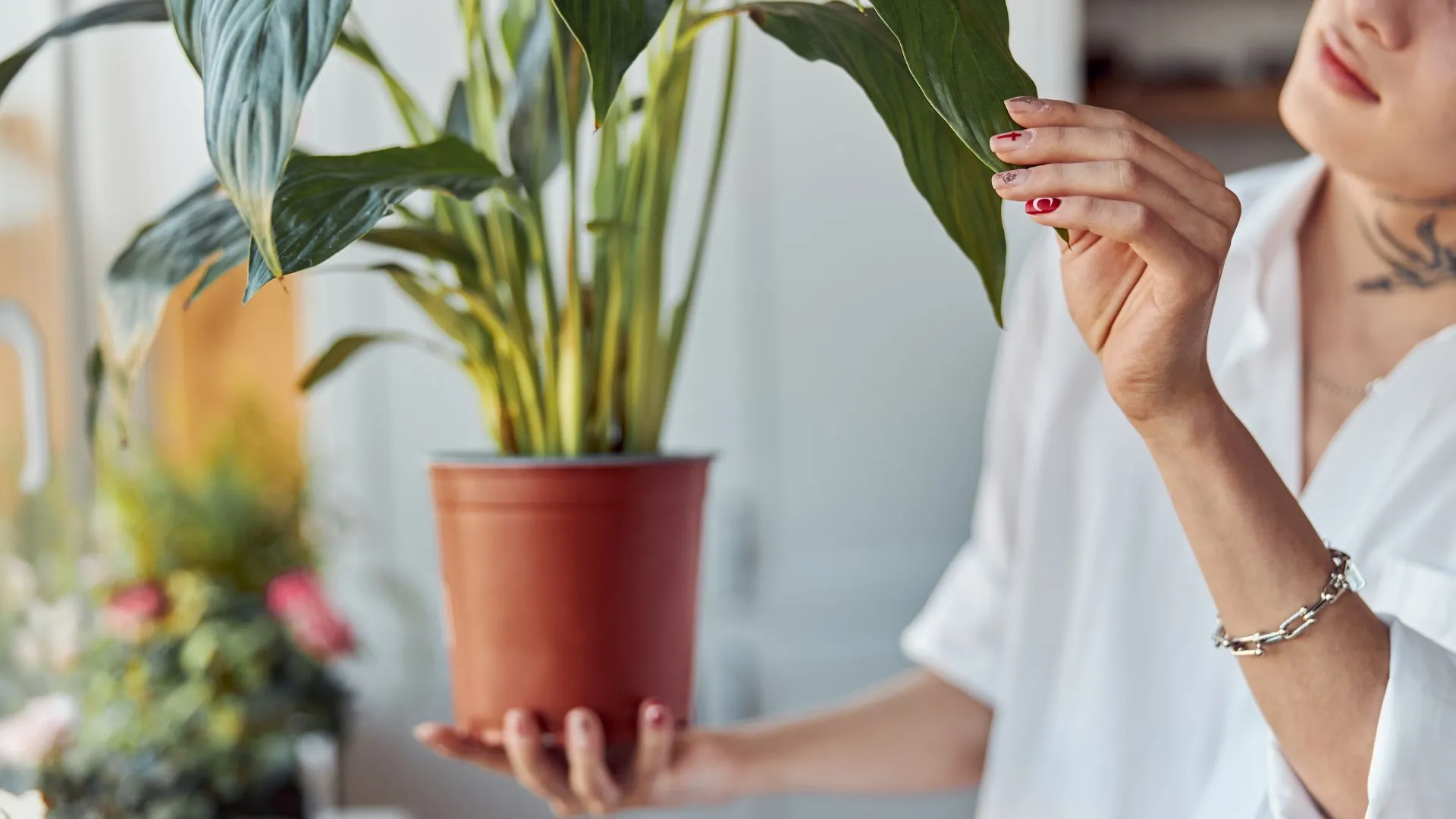
Practical Tips for Ukrainian Homes
Don’t buy pots “for the future”
Use inner plastic pots inside decorative planters
Beginners should choose smaller pots
Prioritize function over appearance
Take before/after photos to track progress
Conclusion: Size Matters — Precisely
Choosing the right pot is not about guessing or aesthetics — it’s about understanding plant biology. A pot that’s too large often does more harm than good, causing moisture imbalance, root suffocation, and stunted growth.
A correctly sized pot supports healthy roots, stable growth, and easier care. So next time you’re tempted by a beautiful oversized planter, remember: plants don’t need extra space — they need the right space.