Automatic watering for potted plants: is it really as convenient as it seems?
At first glance, automatic watering feels like a real lifesaver for anyone with potted plants at home, on a balcony, or outdoors. Convenient, right? Fill it with water — and forget about it. But is it truly as carefree as ads make it look? In reality, automatic watering is not a universal solution to all plant-care problems. It comes with both advantages and quite a few hidden pitfalls. And the key question isn’t “Should you install automatic watering?” but rather “Who does it actually work for — and who should avoid it?”
In this article, we’ll take a closer look at what automatic watering is, what types exist, when it’s genuinely helpful, and when it can seriously harm your plants. Because, like most things, it’s not black and white. Sometimes convenient automation leads to the death of beloved plants — and sometimes it becomes a true rescue during a vacation.
Let’s look at automatic watering for potted plants not from a trend or marketing angle, but from the perspective of real needs — yours and your plants’.
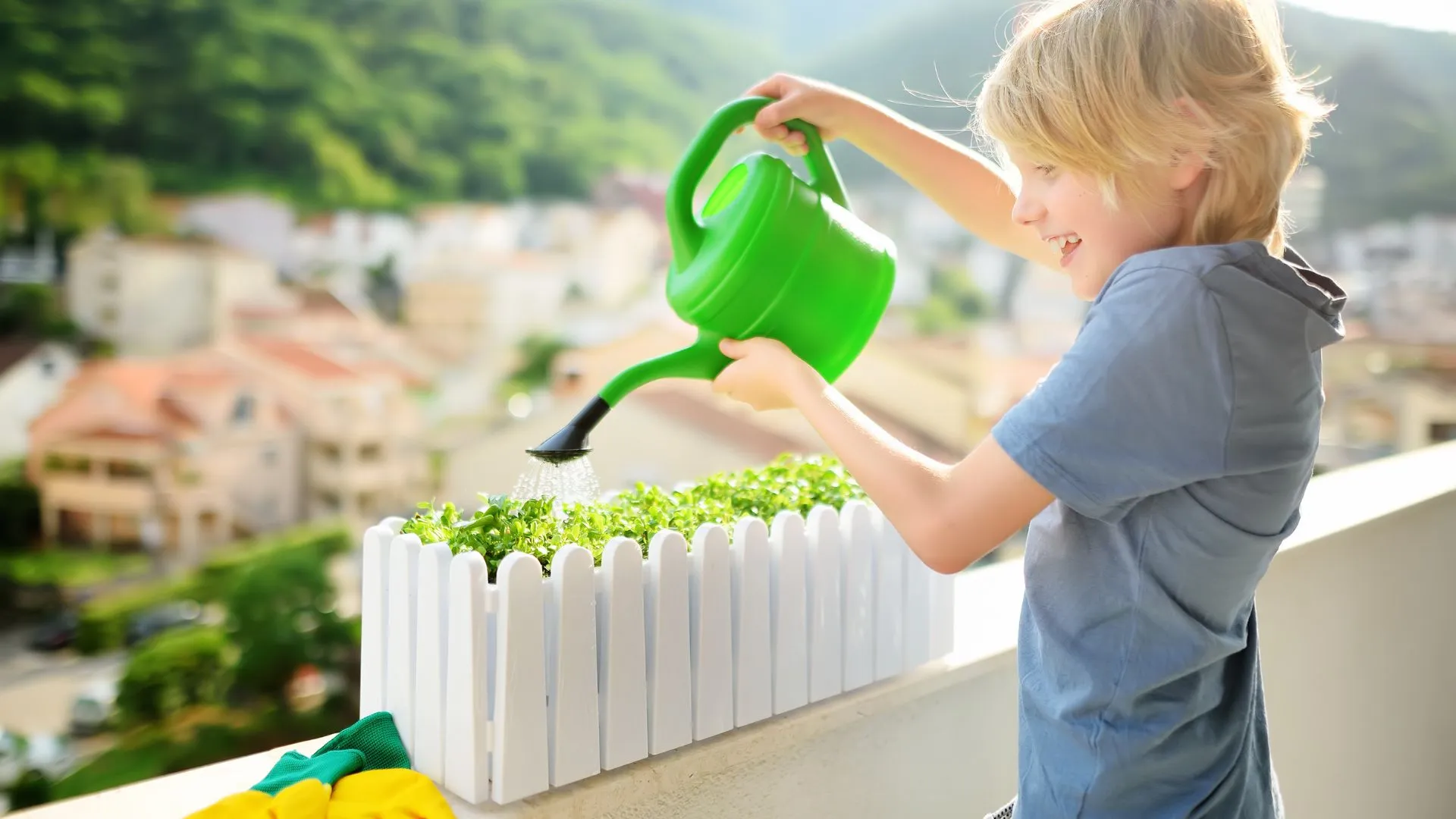
What Is an Automatic Watering System for Potted Plants?
An automatic watering system is a setup or mechanism that delivers water to a plant’s root system without your direct involvement. Its purpose is to maintain a stable level of soil moisture. These systems can be very simple — like inverted water bottles — or quite complex, featuring timers, moisture sensors, and electronic controllers.
How Automatic Watering Works
The principle depends on the system type:
Gravity watering — water slowly flows from a container into the soil.
Capillary watering — water is absorbed into the soil through cords or wicks.
Drip watering — water is delivered in controlled doses via drippers or nozzles.
Electronic systems — a controller opens the water supply according to a schedule.
Types of Automatic Watering Systems
Mechanical (passive) — the simplest systems, no electricity required.
Semi-automatic — manually triggered by pressing a button or opening a valve.
Automatic with timers — watering schedules are preset.
Smart systems — controlled via smartphone, taking temperature and air/soil humidity into account.
Sounds very high-tech. But does every one of these systems suit your plant? That’s a different question.
Benefits of Automatic Watering for Potted Plants
Automatic watering systems aren’t just about convenience. They offer real benefits, especially for busy or forgetful plant owners.
Consistent Watering
This is the biggest advantage. People often forget to water plants or do it unevenly. Automatic watering ensures stable moisture levels — and stability is key to the health of most indoor and outdoor plants.
Instead of remembering to water every day, you set the system once and let it work. No droughts, no floods.
Time Savings
Watering dozens of pots can take up to an hour a day. Automatic systems reduce this to almost nothing. Especially useful for people with tight schedules or offices filled with greenery.
Reduced Risk of Drying Out
With automatic watering, the risk of forgetting a plant for a week practically disappears. It’s a true lifesaver during vacations or business trips — especially for tropical plants that don’t tolerate even short droughts.
Drawbacks and Problems of Automatic Watering
Despite the advantages, automatic watering doesn’t always work flawlessly. In fact, it can become a serious problem.
Overwatering and Root Rot
Not all systems “sense” how much water a specific plant needs. If watering happens too often or in excessive amounts, roots begin to rot. This is especially dangerous for cacti, succulents, and orchids, which require very moderate moisture.
Low Adaptability to Weather Changes
When temperatures drop or heat waves hit, the system may not adjust. It follows a preset schedule without accounting for changes in humidity or temperature.
System Failures and Technical Issues
Over time, tubes clog, timers break, and batteries die — often while you’re away. You come back from vacation expecting lush greenery and instead find a sad collection of dead stems.
Who Automatic Watering Is Truly Useful For
Automatic watering isn’t universal, but for some people it can be a real lifesaver.
1. People Who Travel Often
Business trips, vacations, frequent absences — sound familiar? Automatic watering removes the need to ask neighbors or relatives to “check on the plants.” Even simple systems can last 1–2 weeks; advanced ones can work for a month or more.
2. Office, Hotel, and Restaurant Owners
Commercial spaces often have lots of decorative plants that must look good every day. Staff may lack time or knowledge to water each pot properly. Automatic systems eliminate this issue and protect investments.
3. Beginners in Plant Care
New plant owners often overwater or underwater. Drip systems help avoid extremes, delivering just the right amount of moisture and allowing beginners to focus on fertilizing, repotting, and pest control.
Who Automatic Watering Hurts More Than It Helps
Despite its appeal, automatic watering can do more harm than good in many cases.
1. Experienced Plant Growers
Experienced growers intuitively understand when and how much to water. They read soil, light, and weather conditions. Automatic systems remove this “conversation” with plants and struggle to accommodate plants with different needs.
2. Lovers of Exotic and Sensitive Plants
Orchids, adeniums, cacti, aloe — all need special watering approaches. Excess moisture is their main enemy. Even smart systems can’t always tell when a plant should stay dry for several days.
3. Hobbyists Who Enjoy Hand Watering
For many, watering plants is a relaxing ritual. For them, automation removes joy from the process — like a coffee machine replacing a barista’s craft.
Automatic Watering and Indoor Plants: Why It’s Not Always a Cure-All
Indoor environments often have temperature swings, especially in winter with heating. Soil dries unevenly: one pot near a radiator dries quickly, another stays damp in shade. Automatic systems can’t account for this.
There’s also the risk of turning windowsills into swamps, leading to mold, fungus, and root rot — especially in small pots.
Automatic Watering for Outdoor Pots: When It’s Essential
Outdoor plants face sun, wind, rain, and temperature changes.
Constant Moisture Evaporation
In summer heat, soil can dry out within hours. Automatic watering with frequent moisture delivery becomes crucial.
Large Compositions
Terraces and gardens often have dozens of pots. Manual watering becomes a daily job. Automation saves time and prevents forgetfulness.
Hard-to-Reach Locations
Hanging baskets, tall stands, fenced areas — automatic systems make care easier.
Protection from Weather Variability
Rain doesn’t always reach the center of a pot. Automatic systems ensure precise watering where it’s needed.
Seasonality and Climate: How Effectiveness Changes
Spring & Fall
Plants need less water. Systems should be turned off or set to minimal frequency to avoid fungal issues.
Summer
Almost essential for outdoor plants, but settings must be adjusted carefully to avoid water stagnation.
Winter
Most plants enter dormancy and need far less water. Indoor automatic watering is often unnecessary; outdoor systems should be drained or dismantled.
Plants That Respond Well to Automatic Watering
Easy-Care Green Plants
Spathiphyllum
Ficus
Chlorophytum
Ferns
Flowering Plants
Geraniums
Impatiens
Begonias
Hanging & Outdoor Plants
Petunias
Lobelias
Surfinias
Plants That Suffer from Automatic Watering
Succulents and Cacti
Aloe, Gasteria, Echeveria, Agave — all dislike constant moisture.
Orchids
They need drying periods and special substrates.
Plants with Dormant Periods
Calla, Gloxinia, Amaryllis, Cyclamen.
Plants in Small Pots
Soil can’t process frequent watering, leading to mold and rot.
Myths About Automatic Watering
Myth 1: It suits all plants — false.
Myth 2: Install it and forget plants — false.
Myth 3: It always saves water — depends on settings.
Myth 4: It’s expensive — many budget options exist.
Maintaining Automatic Watering Systems
Regular cleaning of tubes and drippers
Checking timers and batteries every 2–3 weeks
Monitoring water levels in reservoirs weekly
Manual or Automatic Watering: Which to Choose?
Manual watering is better if:
You have 5–10 plants
You enjoy hands-on care
You grow sensitive or rare species
Automatic watering is better if:
You have many plants
You travel often
You want to reduce human error
The ideal solution is balance: automate where it helps, and keep manual control where plants need special care.
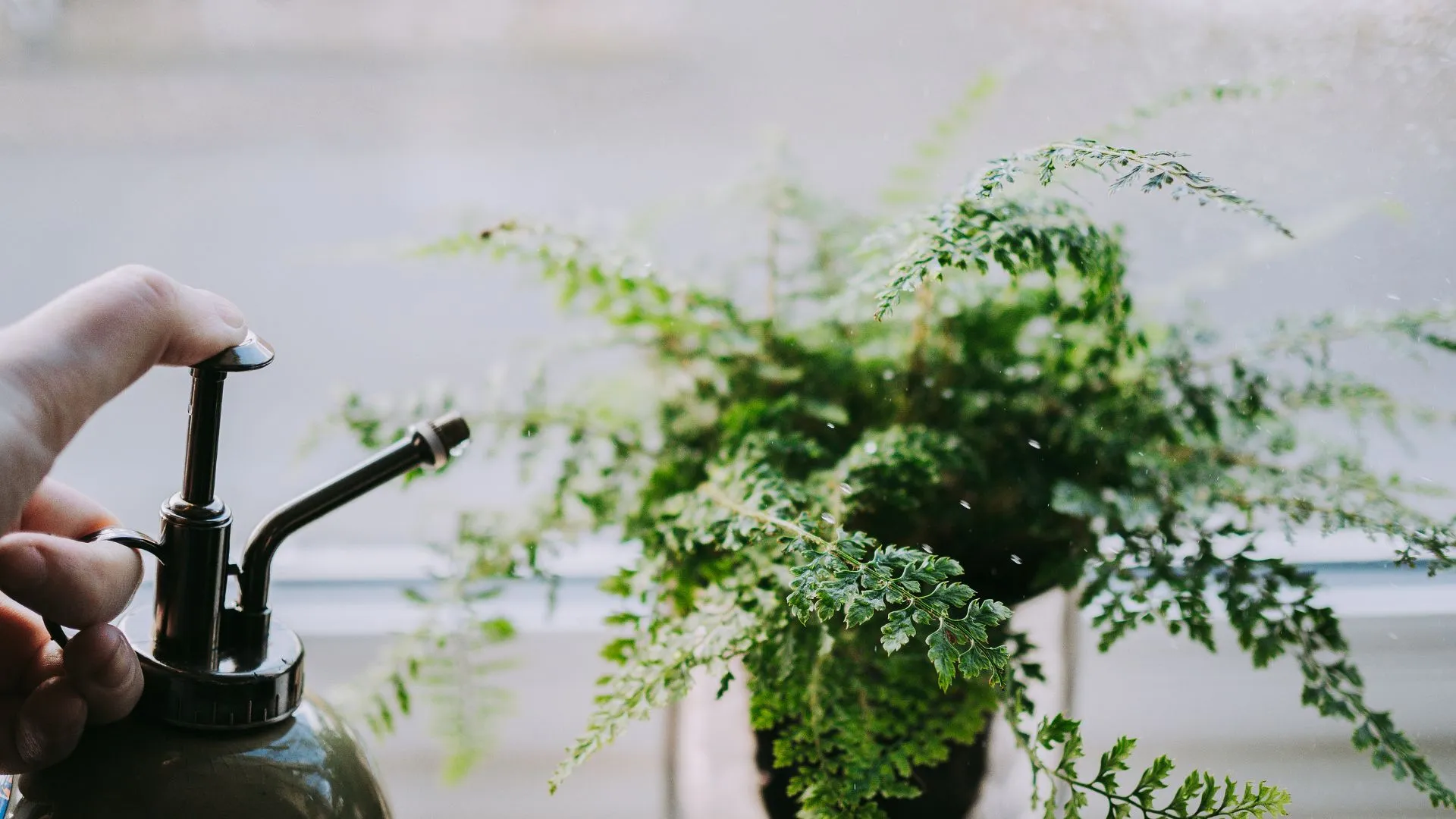
Conclusion: Balancing Comfort and Plant Care
Automatic watering is a tool — not a magic wand. In the right hands, it saves time, protects plants, and brings peace of mind. In the wrong ones, it causes rot, loss, and disappointment.
Listen to your plants. Yellow leaves, moldy soil, bad smells are all signals. Comfort is great — but only when it doesn’t cause harm.
Think, test, adapt — and automatic watering can become not just a convenience, but a true part of caring for your green world.