Is gifting a potted plant a good idea?
At first glance, a potted plant seems like a foolproof gift: it’s alive, green, natural, and beautiful. It doesn’t wilt in a day like cut flowers, it decorates a home, and it creates a cosy vibe. What’s more, it’s often seen as a symbol of care and long-term attention. But, as is often the case, a pretty idea can hide a lot of pitfalls. Gifting a potted plant is always a bit of a risk — especially if you don’t think through who you’re giving it to, what conditions they live in, and what exactly you’re gifting.
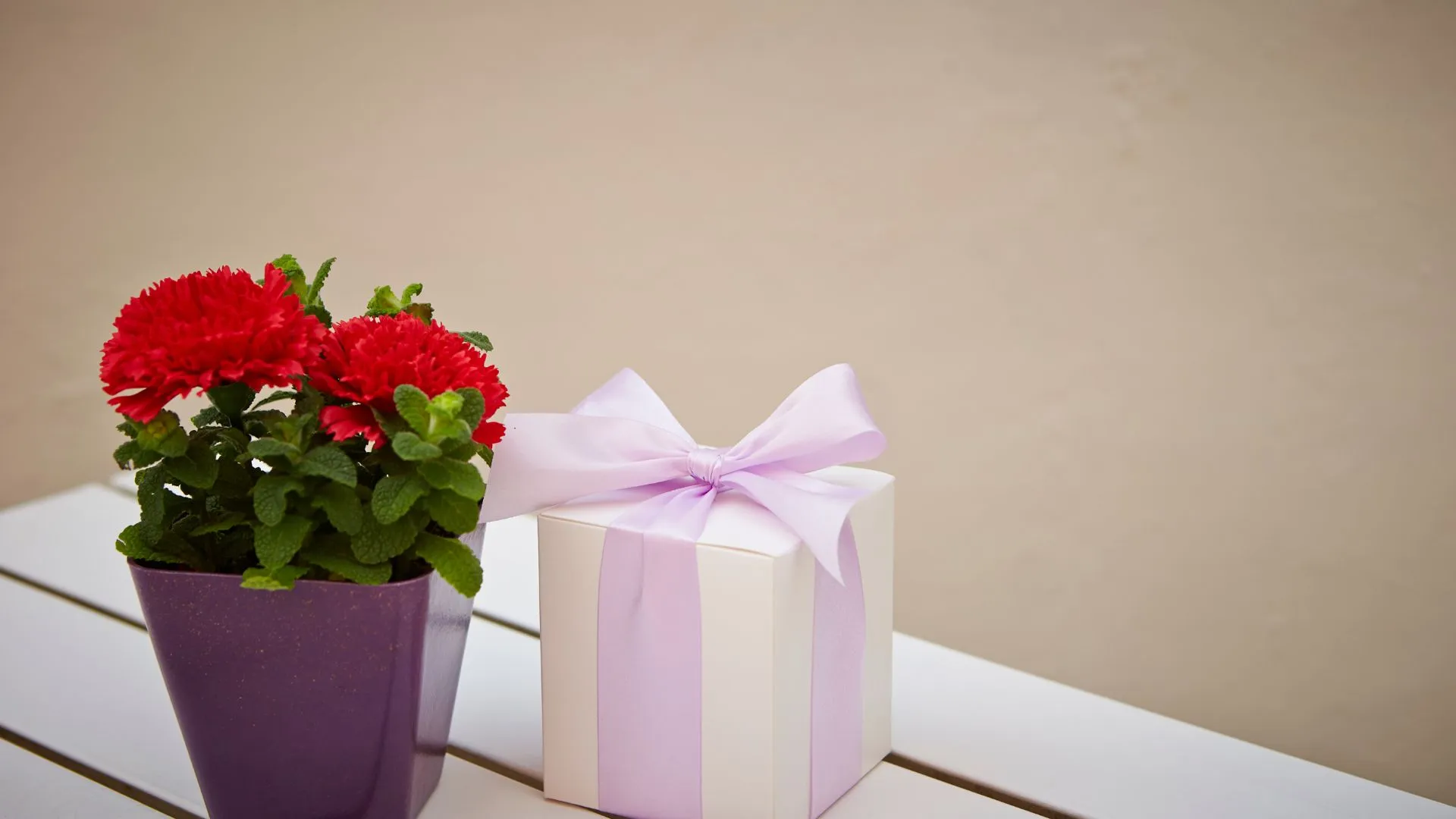
A gift with a hidden message
A plant isn’t just an object. It’s a living thing that needs care, attention, and understanding. And when you give someone a plant, you’re essentially handing them an obligation: “Here — take care of this.” For some people, that’s lovely. For others, it’s an extra burden they never asked for.
Not everyone is ready to look after plants: repotting, watering, feeding, checking light levels, and keeping track of humidity. If someone has no experience with plants — or simply isn’t into the “green world” — your gift might bring stress instead of joy.
The emotions tied to a living gift
The worst part is when the plant starts getting sick or wilting because of incorrect care. The recipient can feel guilty, upset, and disappointed. Losing a living thing — even a plant — is unpleasant, especially when it was a present for a birthday, a celebration, or a meaningful occasion.
And then it starts: “Is this my fault?” “I don’t know how to do this.” “I wish they hadn’t given me this.” These reactions are avoidable if the plant is chosen wisely — based on the person’s lifestyle, their experience, and their living conditions.
Gifting a potted plant is like gifting a pet — just quieter
The idea can be great, but only if it’s thoughtful. Because when you gift a plant, you’re really gifting someone a new “responsibility,” not just décor. If it’s chosen with care, it’s genuinely wonderful. If it’s picked randomly, it usually either dies, “moves” to someone else’s home, or becomes a source of frustration.
So before you buy “something green in a nice pot,” pause and ask: is this really what this person needs?
Why a plant gift is more than “a flower in a pot”
Giving someone a potted plant is much bigger than it looks. It’s not just a store item with a ribbon. It’s a gift with a “life,” a mood, a temperament — and most importantly, needs. People often don’t realise that together with the green leaves and the pot, they’re handing over responsibility for keeping the plant alive. And that’s exactly what often leads to disappointment.
A living thing, not a decorative accessory
Unlike a souvenir or a box of sweets, a plant is alive. You can’t just put it on a shelf and forget it. It grows, changes, reacts to conditions, gets sick, and sometimes even “protests.” Without at least a minimally comfortable environment, it will start wilting, dropping leaves, and losing its look.
Houseplants usually need:
Light (but not direct sun for some types)
Water (in the right amount — not every day!)
Occasional repotting
Fertiliser
Temperature and air-humidity control
In other words: care. And not everyone wants that.
The recipient isn’t always ready for “green responsibility”
This is especially true if the person:
Has a hectic schedule and travels often.
Lives in a dark space or somewhere with little room.
Has allergies or pets that might chew the plant.
Has never owned plants and doesn’t know what to do with them.
In these cases, a plant that was meant to bring joy turns into stress. Then comes the classic scenario: leaves droop, spots appear, the plant looks worse and worse — and eventually it gets thrown away or handed off “to someone who knows what they’re doing.”
When you give a plant, you give more than a gift
Yes, sometimes it’s a perfect, warm, symbolic present. For example, a plant for a colleague’s housewarming — symbolising “growth and development” in a new place. Or for a friend’s birthday — “may it grow together with you.”
But it’s important not to idealise it: not everyone wants a “living gift.” Not everyone wants a new responsibility in the shape of a plant that drops leaves if it isn’t watered for three days.
The other side of the gift: the pot
Here’s where it’s not just about the plant — it’s also about the pot it comes in. Because the pot sets the “life boundaries” for the plant. If it’s chosen incorrectly, even the toughest green beauty won’t last long. And then it becomes the giver’s problem — at least emotionally.
It doesn’t matter how beautiful the plant is if it’s stuck in a pot that’s too small, awkward, has no drainage, or is bright pink and completely clashes with the recipient’s interior — the whole effect of the gift disappears.
A poorly chosen pot: why a gift brings disappointment instead of joy
It feels like the main thing is to gift a beautiful plant. And the pot? As long as it isn’t cracked and looks nice, right? But the pot is often exactly what turns a great idea into a total fail. The reason is simple: the pot isn’t “packaging” — it’s the plant’s living space. If that space is unsuitable, the plant gets sick and the recipient gets disappointed.
The pot is part of the gift, not a background detail
Imagine gifting a puppy in a tiny, uncomfortable cage. Even if the puppy is adorable, the “home” ruins the impression immediately. Same with a plant. The pot creates the first impression and sets the tone. If it’s wrong, the emotion gets lost.
For example:
A pot with a bright print or glitter — but the person has a minimalist home in calm tones.
A pot that’s too big — the plant looks “lost.”
Or, наоборот, too small — the roots are already crawling out.
What can truly disappoint a recipient about a pot
Style mismatch. The pot looks like it was bought “whatever was available” and doesn’t fit the home’s aesthetic.
Low quality. Bendable plastic, peeling paint, cracks hidden under wrapping.
No drainage. Or worse: a decorative cachepot where a temporary nursery pot with no holes is “packed inside.”
Awkward shape. Too tall, unstable, oddly proportioned — making watering and care harder.
Excessive weight. If the pot is heavy (especially concrete, ceramic, or glass), it’s hard to move or even rotate for even light exposure.
When the form matters more than the plant
Even if the plant is beautiful, healthy, and exotic, it can look cheap or strange in a tacky or loud pot. And the opposite is also true: a simple, low-maintenance plant in a stylish, well-chosen pot can genuinely impress. The recipient feels the gift was chosen with taste and with them in mind — not as a last-minute obligation.
If the plant dies — who’s at fault?
Sadly, the wrong pot is often the reason a plant looks bad or dies 2–3 weeks after the holiday. In a small pot the soil dries out too fast; in glass without drainage the roots rot; in a heavy pot the person is afraid to repot it. And then instead of joy — guilt or disappointment.
So the main rule is: don’t treat the pot as an afterthought. Don’t choose it in a rush. Think of it as a full part of the gift — because the pot is often what either “kills” the plant or makes it a true decoration of someone’s home.
Mistake #1: Not considering the recipient’s interior style
This happens more often than you’d think. People choose a pot based on their own taste or what looks good in the store, without thinking how it will fit into the recipient’s space. As a result, the plant may be lovely, but it causes confusion — or even irritation. The gift ends up feeling aesthetically “foreign.”
Style is harmony, not trends
Everyone has their own idea of cosiness. Some love minimalism — light tones, no extra details. Others prefer boho — woven furniture, wooden textures, ethnic patterns. Some live in a modern Scandinavian style: clean lines, restraint, functionality.
Now imagine gifting a bright red plastic pot to someone with an eco-style interior. Or a pot with gold ornaments to a home with concrete walls and black furniture. Result: a style clash — and the pot quickly “moves” to a corner, a balcony, or even under the bathroom sink.
Typical style mismatches
Glossy bright pots in loft or Scandinavian interiors.
Plastic “stone-look” pots in sleek modern homes.
Cachepots with tassels, embroidery, ethnic ornaments in a space that’s all white, glass, and metal.
Rough clay pots in a home with classic furniture and refined décor.
What does the recipient feel?
First — awkwardness. The gift is alive and nice, but where should it go? The pot “hurts the eyes,” doesn’t match the interior, feels out of place. A polite person may stay quiet, but will still try to “hide” it — on the balcony, in a corner, or they’ll repot it if they know how.
Sometimes it’s worse: disappointment. Because the gift feels like it was chosen without paying attention to their preferences — as if the giver doesn’t know them, or didn’t care to consider their taste.
How to avoid this mistake
Ask casually: “Do you like bright colours in your home, or something more neutral?”
Check photos of their home on social media — it gives lots of clues (colour palette, furniture style, whether they already have plants).
Choose neutral colours: white, grey, beige, pastels — the safest zone.
If you’re unsure, go minimalist: simple shapes, matte texture, natural tones.
When gifting a potted plant, remember: a home interior is an extension of a person. If the pot disrupts that, it loses not only its decorative role, but also its emotional value.
Mistake #2: The pot doesn’t match the plant’s size
One of the most common — and also the most dangerous — mistakes is choosing a pot that doesn’t fit the plant’s root system. People often think: “Bigger is better,” or “Let it be compact and neat.” And that oversimplification causes most of the problems that appear after the gift is given.
When the pot is too small
A tight pot almost guarantees “root stress.” The plant has nowhere to grow, and the roots get compressed, twisted, tangled. As a result:
Growth slows down.
The plant quickly loses its decorative look.
Leaves become smaller, yellow, or dry out.
The soil dries out in a day — constant watering is needed.
And the worst part: it looks like “bad care” from the owner — even though the issue was built into the gift from the start.
When the pot is too big
On the other hand, gifting a huge pot “for the next five years” is also a mistake. In a pot that’s too large:
Moisture stagnates in the lower layers.
The roots can’t handle the excess water — rot starts.
The plant spends all its energy “colonising” the space (growing roots) instead of producing leaves and flowers.
Mould, fungus, and unpleasant odours can appear.
This is especially risky when looks matter more than function — for example, a small plant placed in a massive ceramic cachepot “for beauty,” where it slowly dies because its roots aren’t ready for that much volume.
Visual disharmony is another downside
If the pot isn’t proportional to the plant, even the prettiest set-up looks odd. A tiny pot with a big palm tipping over the edge? Or a small plant “lost” in a giant ceramic bowl? These contrasts don’t look stylish — they look silly. Even if the recipient wants to display the plant, they feel uncomfortable because the gift looks poorly thought out.
How to do it right
Aim for a 1:2 or 1:3 proportion: the pot height should be about one-third of the plant’s height (including the pot).
Check the root ball: the pot should be 2–4 cm wider than the root system diameter.
Don’t buy “growth reserve” too early: better the perfect pot now than an inconvenient giant “for later.”
If you’re unsure, gift the plant in its temporary nursery pot and add a voucher for a pot store — the recipient can choose what fits their home and lifestyle.
Mistake #3: No drainage (or decorative limitations)
This “small technical detail” is one of the most common reasons gifted plants quickly decline or die. People focus on looks — “It’s so pretty!” — and forget the most important thing: does the pot have a drainage hole, and does it allow the plant to actually live?
Why drainage matters
Most houseplant roots cannot tolerate standing water. If excess moisture has nowhere to go, it sits at the bottom, pushes air out of the soil, and creates perfect conditions for rot.
What happens in a pot without drainage:
Water stays at the bottom.
Roots suffocate from lack of oxygen.
Bacteria and fungi multiply.
Bad smell, leaf spots, soft stems appear — early signs of rot.
This can happen even if the plant looked perfect just a few days ago — simply because of the wrong pot.
Decorative cachepots: pretty, but not functional
A common trap is gifting a decorative cachepot with no holes — shiny, colourful, stylish. But:
There’s no drainage.
Excess water can’t escape.
Narrow openings make it hard to remove the inner pot.
Moisture builds up and doesn’t evaporate.
Even light watering can turn the bottom into a swamp, and the roots literally “boil.”
Typical problems in gift pots without drainage
Leaves yellow within a week.
The plant looks limp and “waterlogged.”
The soil smells bad.
White coating appears (salts, mould).
Condensation forms and stains furniture.
How to avoid this mistake
Check for a hole at the bottom. If there isn’t one — choose another pot or prepare a drainage insert.
Don’t gift a plant directly in a cachepot. If you do, keep it in a nursery pot with holes inside, and make sure it can be removed for watering.
Explain the watering routine: “This is a decorative cachepot — water the plant in the sink, let it drain, then put it back.”
Or simply choose a stylish pot that already has drainage and a saucer.
Remember: no amount of beauty will save a plant if it’s drowning.
Mistake #4: A pot that’s too complicated or “high-maintenance”
Sometimes the desire to make a gift “special” creates the opposite effect. People choose unusual, original, even “techy” pots — self-watering, double-bottom, transparent inserts, weird shapes. But this often becomes extra hassle for the recipient, because the pot is inconvenient, confusing, or impractical long-term.
“Smart” doesn’t always mean convenient
Self-watering pots with indicators and built-in systems can be helpful — but:
They require instructions (not everyone wants to learn).
If the system breaks, the pot becomes useless.
Not every plant tolerates self-watering (succulents, orchids, violets can die from overwatering).
The recipient may have no time or desire to deal with “smart pot mechanics.”
Unusual shapes = real-life problems
Pots shaped like animals, shoes, pitchers with narrow necks — cute, but where do you put them?
Curved bottoms or unstable bases — easy to tip over.
Odd shapes and thin walls — difficult to repot.
Looks good in photos, but annoying in real life.
Unnecessary complexity in care
In “capricious” pots, practical issues pop up:
Hard to remove the inner pot.
Impossible to see how much water is sitting at the bottom.
No place for a saucer.
Unclear where excess water will go — stains guaranteed.
Better simple, but clear
Instead of complicated designs, choose:
A quality ceramic or plastic pot with drainage.
A simple shape that’s easy to repot and care for.
A pot with a saucer — no surprises.
The best gift isn’t the one that shocks — it’s the one that works and makes someone happy every day.
Mistake #5: The material doesn’t fit the conditions
Another common mistake: ignoring where and how the plant will actually stand. People focus on fashion and looks instead of practicality. The result: the plant sits on cold tiles in a metal pot, overheats in plastic under direct sun, or dries out constantly in terracotta in a warm room. Again — the gift brings hassle, not joy.
Material matters — not just aesthetically
Each material interacts with water, air, and temperature differently, and that directly affects the roots. If the material is wrong, even perfect watering won’t save the plant.
Plastic: convenient, but can overheat
Pros: light, affordable, holds moisture longer (great for busy people), good for dry indoor air.
Cons: heats up quickly in sun, doesn’t “breathe,” cracks in frost (bad outdoors).
Not ideal if: the plant will stand in direct sun or on a hot balcony in summer.
Glazed ceramic: beautiful, but heavy
Pros: stable temperature, stylish, good for home/office.
Cons: heavy, can crack with temperature swings, doesn’t breathe like terracotta.
Not ideal if: the pot needs frequent moving or outdoor use.
Terracotta: breathable, but dries fast
Pros: roots breathe, perfect for succulents/cacti, doesn’t overheat.
Cons: dries quickly (needs more watering), salt build-up (white deposits), fragile.
Not ideal for: moisture-loving plants or forgetful owners.
Metal: stylish, but risky
Pros: looks impressive.
Cons: overheats fast, gets cold in winter, can oxidise and affect soil.
Not ideal for: temperature-fluctuating spaces or sensitive roots.
Glass: оригинально, but high-risk
Pros: transparent, good for mini compositions/terrariums.
Cons: no drainage, overheats, fragile.
Not ideal for: beginners or as a universal gift.
Real consequences of the wrong material
A plant in plastic on a balcony dies from heat.
An orchid in terracotta dries out too quickly.
A metal pot leaves rust stains on a windowsill.
A heavy ceramic pot falls and breaks because it’s too much for a thin shelf.
How to avoid this mistake
Ask where the plant will live: home, balcony, office?
Consider light, temperature, and humidity.
Consider lifestyle: always home or often away?
When unsure, choose a “universal” option: glazed ceramic or dense quality plastic with proper drainage.
Mistake #6: The pot looks cheap or messy
A gift is a gesture. It should create emotion — joy, surprise, warmth. A cheap-looking or unclean pot instantly ruins the impression, especially for birthdays, housewarmings, and important moments.
“Cheap” isn’t always about price
You can buy a beautiful plant, but if it sits in a scratched, flimsy plastic pot with fingerprints and ugly seams, the message becomes: “They saved money on me” or “This was rushed.”
Cheap-looking details:
Thin, bendy plastic
Visible seams, sharp edges
Loud colours that look tasteless
Uneven paint, chips
Faded, worn surfaces
No saucer (water stains guaranteed)
Messiness kills the emotional effect
Often the plant is simply “dropped” into a decorative cachepot without care: messy topsoil, packaging leftovers, water stains, dirt on the pot, crooked plant placement.
Result:
Soil spills right away.
Leaves get crushed by wrapping.
The pot looks dirty or scratched.
Small details create the first emotional impression.
Aesthetic care = instant upgrade
Even a simple pot can look stylish if it’s:
Neutral coloured (white, grey, pastel)
Matte or clean-surfaced
Comes with a neat saucer
Proportional to the plant
Wipe the pot, tidy the soil surface, add decorative moss/pebbles/coco fibre, wrap in kraft paper — and the gift looks thoughtful and classy.
Mistake #7: A decorative cachepot instead of a real plant pot
This one is so common it’s basically classic. People gift decorative cachepots (no drainage hole) because they look great. But they’re designed as covers, not as a plant’s actual “home.”
What’s the difference?
A pot (plant pot) has drainage holes and is meant for long-term growth.
A cachepot is a decorative shell that holds a nursery pot.
If a plant is planted directly into a cachepot with no drainage, problems start immediately.
What happens when a plant “lives” in a cachepot
Water has nowhere to go — swamp effect.
Roots suffocate — no ventilation.
Fungus and bacteria thrive.
Bad smell appears.
The owner doesn’t understand why it’s dying.
Result: the plant dies, the recipient feels guilty, and the gift becomes a failure.
How to do it right (pretty and functional)
Put a nursery pot with drainage inside the cachepot.
Tell the recipient to water in the sink and let it drain.
Or just gift a pot with proper drainage and a saucer, and decorate the top with moss/pebbles.
Looks should not destroy function.
Mistake #8: The pot is heavy, awkward, or not mobile
A big, heavy pot may look expensive — but after a few attempts to move it, the recipient may start regretting it.
Heavy isn’t always better
With soil and water, ceramic and concrete become a real physical problem — especially if:
There’s no lift in the building.
The plant needs to move between balcony and indoors.
The plant needs rotating for light.
The shelf/floor can’t handle the weight.
Awkward shape adds frustration
No grip points (slippery, rounded).
Unstable base.
Too wide for a windowsill.
High centre of gravity — easy to tip.
After watering, it’s even heavier — and without a good saucer or wheels, you get stains, spills, and back pain.
How to avoid this mistake
Don’t gift massive concrete/ceramic unless you’re sure it fits the person.
Choose light but strong materials (quality plastic, glazed terracotta, composites).
If large, make it mobile: wheels, handles, stable base.
Always check for a saucer.
Mistake #9: A “bitter” colour, pattern, or overly bright design
One of the most awkward mistakes: an ugly or too-bright pot. People rarely say it out loud, but the recipient may think: “Where am I supposed to put this?”
When colour becomes a disaster
A bright yellow or red pot might look “fun” in-store, but in a calm minimalist home it clashes hard — like a loud object screaming for attention.
Recipients often feel:
Confused
Embarrassed to display it
Like they’ll need to repot or hide it
When design turns into bad taste
Glossy “luxury” finishes that look cheap
Bunny/shoe/heart-shaped pots
Glitter, stickers, silly phrases (“Grow with love”, “Love me — water me”)
Leopard/zebra/tropical patterns that feel chaotic
Bright doesn’t always equal festive. Often it overpowers the plant and looks unnatural.
How to avoid the “colour fail”
Stick to neutral tones: white, grey, graphite, olive, sand.
Matte surfaces are safer and look more premium.
Minimalism beats “glamour.”
Consider age/gender and lifestyle.
Think “the pot should highlight the plant,” not compete with it.
Mistake #10: The pot doesn’t allow the plant to grow
A subtle but critical mistake: choosing a pot that looks good only at the moment of gifting, but leaves no space for future growth. It becomes a beautifully packaged trap: the plant stays stunted, stressed, or dies because the roots can’t develop.
Why “growth room” matters
If the pot limits roots:
Roots tangle and choke
They grow out of drainage holes
The plant can’t absorb enough water/nutrients
Growth stops, декоративність fades
Why it’s especially bad for a gift
Many recipients won’t repot quickly. Everything looks “fine,” so they leave it. But in 2–3 weeks:
Leaves lose shine
Growth stops
Mould/odour appears
The plant needs rescue repotting — or gets thrown out
How to do it right
Choose a pot 2–3 cm wider and deeper than the current one.
If gifting in a cachepot, add a note: “Repot in a few months.”
Add a small care note — or even a repotting voucher.
A living plant isn’t a bouquet — it grows. Let it.
Mistake #11: A plant that’s hard to care for — in a difficult pot
This is one of the most painful mistakes: the plant looks perfect, but caring for it is a real quest — and the wrong pot makes it worse. The result: stress, guilt, and disappointment instead of joy.
Some plants are naturally demanding:
Sensitive to humidity (calatheas, etc.)
Hate overwatering (orchids, cacti)
Need special microclimates
React quickly to drafts or drying out
Now combine that with a pot with no drainage, awkward watering access, heavy weight, or confusing self-watering systems — and a beginner simply has no chance.
How to avoid this trap
Think about the recipient’s experience and lifestyle.
Choose a hardy plant + a simple pot with drainage and a saucer.
Add a short care note: “Water every 10 days, likes bright indirect light.”
Avoid complex systems unless the person is truly into plants.
A gift should be joy — not a chore.
Conclusion: When a pot is more than just a container
Gifting a plant can be a wonderful idea. It’s always about something bigger: care, symbolism, growth, a new life stage. But it’s important to remember: the pot isn’t just a “stand for a flower” — it’s the foundation of the entire gift. And that foundation shapes the whole impression of this living present.
A poorly chosen pot can ruin even the most expensive plant. It can be inconvenient, unattractive, impractical, or simply wrong for the recipient’s space. And the recipient isn’t a florist or a gardener — they may have never dealt with houseplants at all. All they see is either harmony… or a potential problem.