Interior design in 2026 is all about balance—between aesthetics, functionality, and care for nature. Plant pots have long stopped being just containers for greenery; today, they are full-fledged design elements that can set the mood of an entire space. But it’s important to remember: a beautiful pot isn’t always the healthiest choice for the plant itself. So let’s take a look at which pots are trending now—and why designers’ choices matter for your green companions.
Sculptural pots: form over classic simplicity
In 2026, designers are moving away from basic “classic” shapes like simple rounds or squares. What’s trending instead are sculptural, geometrically complex pots that look like pieces of art.
Why this matters:
Pots shaped like arches, waves, or pyramids create strong visual accents but can limit space for roots.
Plants with strong or fast-growing root systems may feel cramped in narrow decorative forms.
A smart solution is to place a technical inner pot inside, combining aesthetics with proper function.
Natural materials: ceramic, concrete, wood
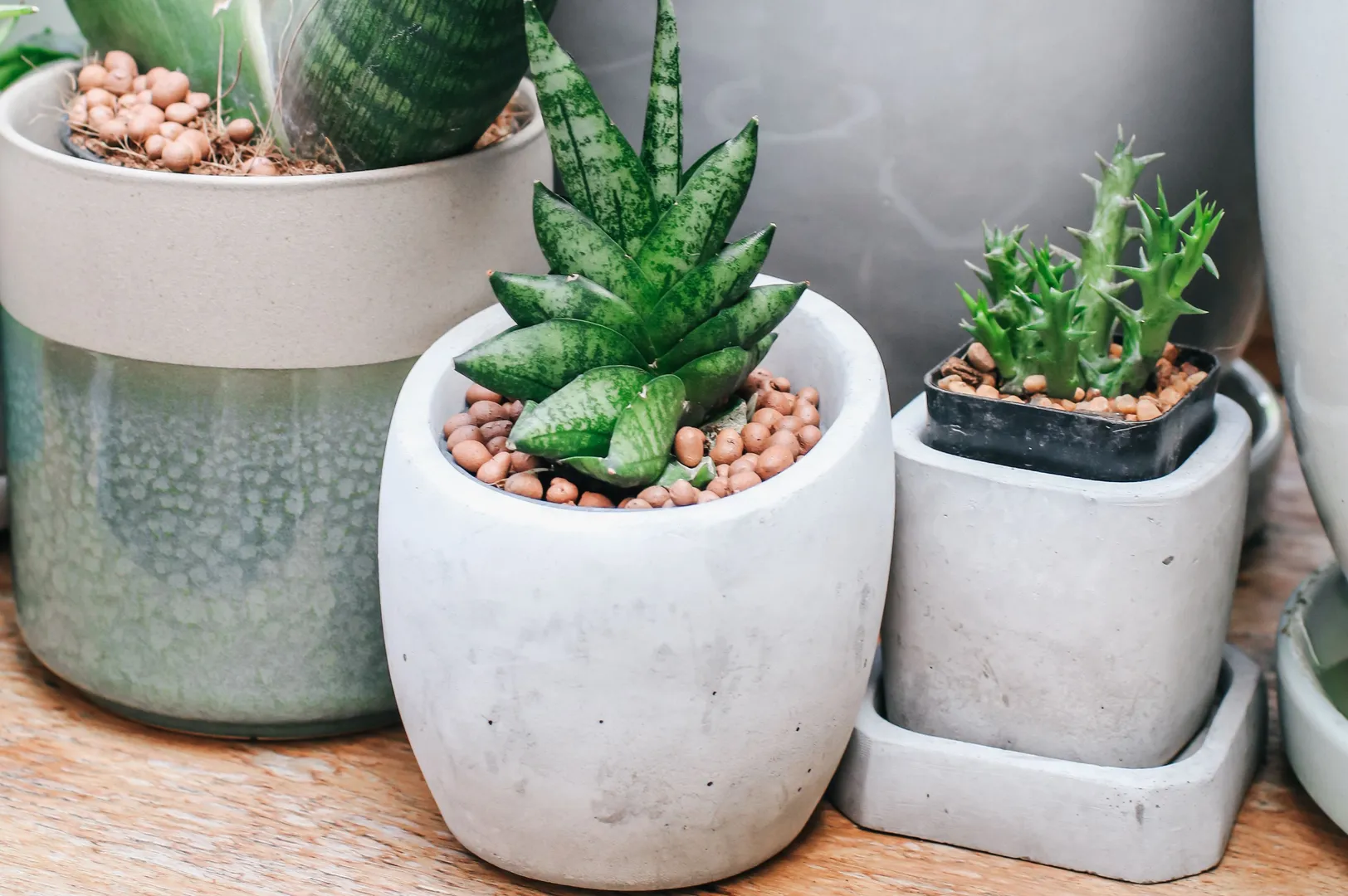
2026 is the year of natural textures. Designers favour materials with an “earthy” feel: raw clay, porous concrete, and wooden elements.
Benefits for plants:
Clay and concrete pots “breathe,” helping regulate moisture levels.
Wood looks beautiful but usually requires an inner pot, as constant moisture quickly damages the material.
Tip: These pots are best suited for cacti, succulents, or plants that don’t need constantly moist soil.
Minimalism with function: self-watering, drainage, built-in sensors
New-generation pots are gaining popularity—those with added functionality like self-watering systems, moisture indicators, or built-in water reservoirs.
This is a real game changer for forgetful plant owners or anyone with lots of plants.
However:
Not all plants enjoy constant moisture. For succulents, this can quickly lead to root rot.
Self-watering systems aren’t always precise—always check whether they work well with a specific plant.
Pots as space dividers
In 2026, pots are no longer just objects for windowsills or floors. They’re used to zone spaces:
Pots on wheels;
Vertical plant systems;
Combined structures like “pot + shelf.”
This works perfectly in open-plan apartments and offices.
Important: Not all plants tolerate frequent movement or changing light conditions well, so choose hardy species for these setups.
The 2026 colour palette: earth, mist, water
Trending pot colours in 2026 include:
Sand, clay, bark tones;
Cool greys and misty shades;
Deep moss green;
Matte black.
These colours align perfectly with biophilic design, where harmony with nature is key.
For plants:
Dark pots heat up more in direct sunlight—important to consider for windowsill placement.
Light-coloured pots stay cooler, which can be helpful in summer.
Personalisation: pots that reflect the owner’s style
Designers increasingly offer custom solutions: hand-painted designs, engraving, built-in plant names, or meaningful quotes.
This doesn’t directly affect plant health, but it strengthens emotional connection—and often motivates better care for your “green friend.”
Built-in lighting and illumination
A newer trend is pots with built-in lighting, either decorative or functional (grow lights).
This can be a lifesaver for dark corners of a home where plants previously struggled to survive.
But: Not all grow lights are equally effective. Choose ones with the correct spectrum for photosynthesis—not just pretty lighting.
Why you shouldn’t choose a pot based on design alone
Design is great—but a good pot must also be:
equipped with drainage;
made of a suitable material;
the right size;
stable;
safe for the roots.
Beauty is for the eyes. Comfort is for the roots. Always aim for balance.
Final thoughts
In 2026, a pot is no longer just a container. It’s a design object, a functional tool, and a caring “home” for your plant. The more thoughtfully you choose it, the longer and healthier your green companion will grow.
So choose not only what’s trendy, but what truly works. In a world where we all seek harmony, plants help us feel it—and they deserve the very best.